top of page


-
A creature raising 3D-platforming game I created in Unreal Engine 5 completely independently.
-
Features original vibrant PS2 inspired art & animations as well a evolving pocket-monster inspired creature designs.
-
Unique food/item pick-ups, platforms, and hazards!
-
"Micro-gun" (Microwave Gun) is used to defeat enemies, solve platforming challenges, and incubate eggs to hatch creatures called "Flavorlings."


PROJECT BREAKDOWN
While mainly a tech project, my goal with Flavor Invaders was to design a short demo for a game that could be expanded on while allowing myself to understand my own abilities as an indie developer by creating every aspect of the game completely on my own.
I decided a stylized, low-poly look would work best. I reused some older environmental assets I made for foiliage, but otherwise, all new assets were originally made for this project, a huge undertaking that was not required for the class this was created for.
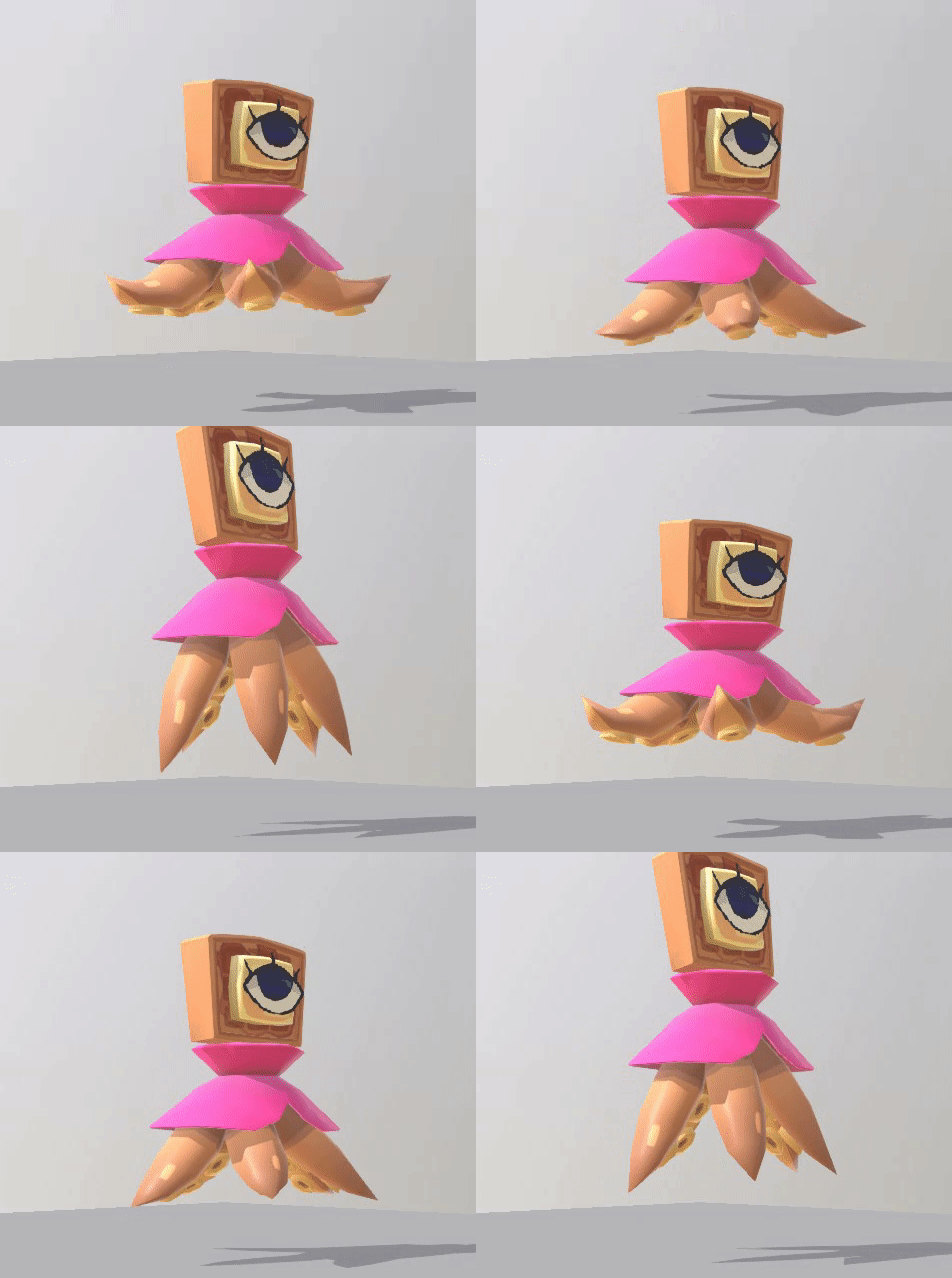
DESIGN
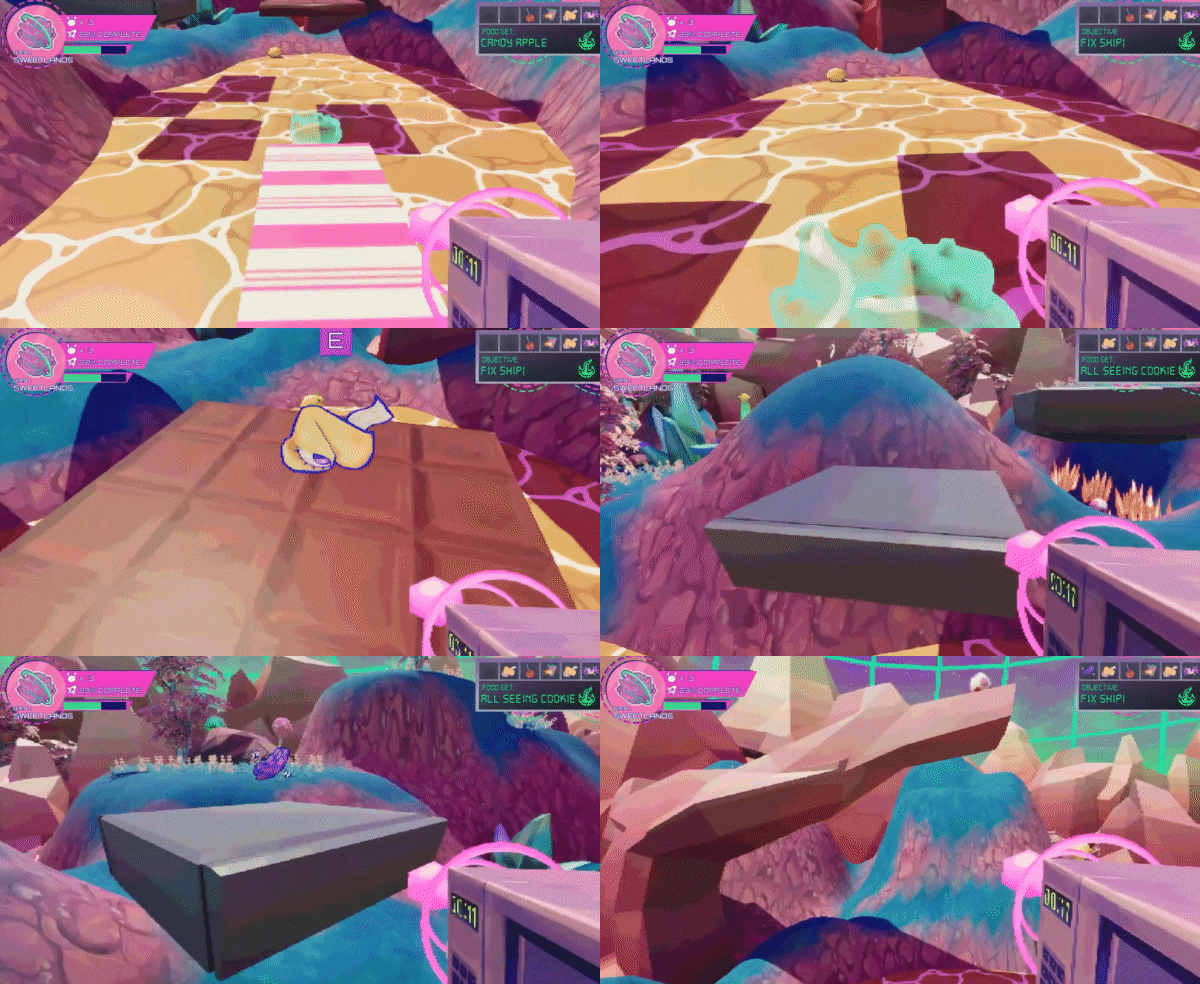
The gameplay loop of flavor invaders focuses on finding eggs to hatch aliens, then platforming and gathering food to evolve those aliens. Once you've raised your alien, you can send them to work on your ship, which you can check progress on via the UI. The design is sandbox-focused, with games like Slime Rancher being a major inspiration.
The "MicroGun" (microwave gun) is meant to work as more than just a weapon. It can freeze ice blocks and bodies of water, and is also used to incubate eggs. The intent of this was to add a slight puzzle-platforming element and multiple ways to deal with enemies. Switching between
the modes is done by using Left-Click or Right-Click.


My main goal with level design was to keep it open, while always keeping the player on track. To do this, I used tower landmarks that work as checkpoints where you will have to return to in order to incubate new eggs. Navmesh was also an important consideration, as it was important to me that your Flavorling companions are always able to follow behind you without getting stuck on geometry.
LEVEL DESIGN MAP

USER INTERFACE
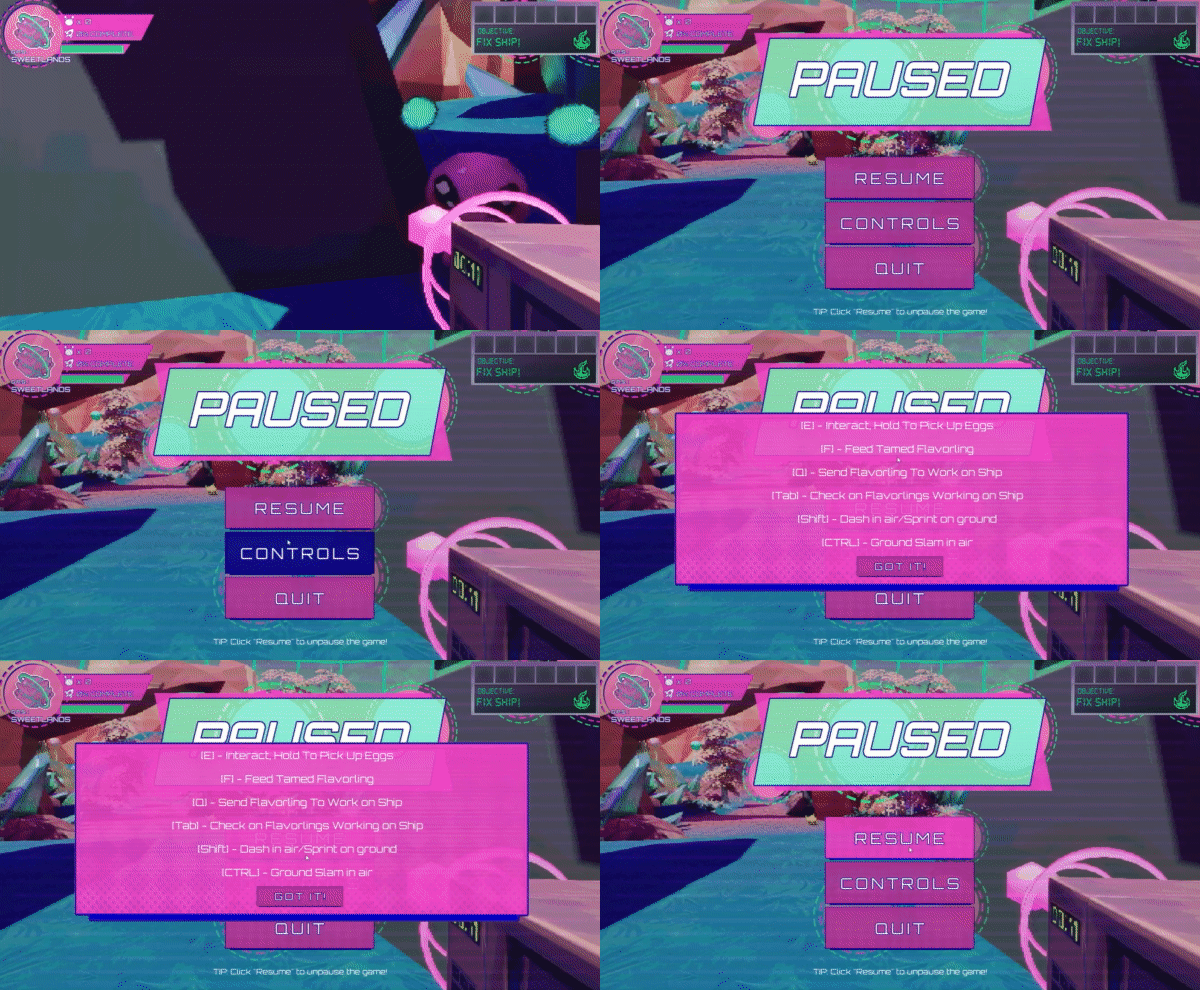
This was my first attempt at designing UI with Unreal Engine's widget system.
I felt it was important to constantly convey the players progress on the HUD in ways that were aesthetically pleasing and tied the game's visuals together.
I did this by focusing on a pink-and-green color scheme, with Y2K space aesthetics.
The player can pause at any time to check controls. You can also view ship progress and collected aliens by pressing TAB.


%20Flavor%20Invaders%20Demo%20Video%20-%200-3-04.jpeg)
TECH

The main focus of this project tech-wise was to learn as much as possible with blueprints on my own. This mainly took the form of player movement, the MicroGun, NPC/enemy behavior, and especially progression systems.
Progression included hatching, upgrading your flavorlings by feeding them, and raising your success meter. The stats of flavorlings you send off builds this meter, which allows you to escape at 100%.
The game uses a lot of invisible stats that are changed when you obtain, feed, or send off a Flavorling.
The more you feed/evolve your flavorling before sending them off, the higher your completion meter stat fills. A player that understands how this works can beat the game much faster if they have learned that sending off your Flavorlings instantly doesn't help completion as much.
This was also where evolution comes in, as feeding them enough will evolve them into having much higher stats.


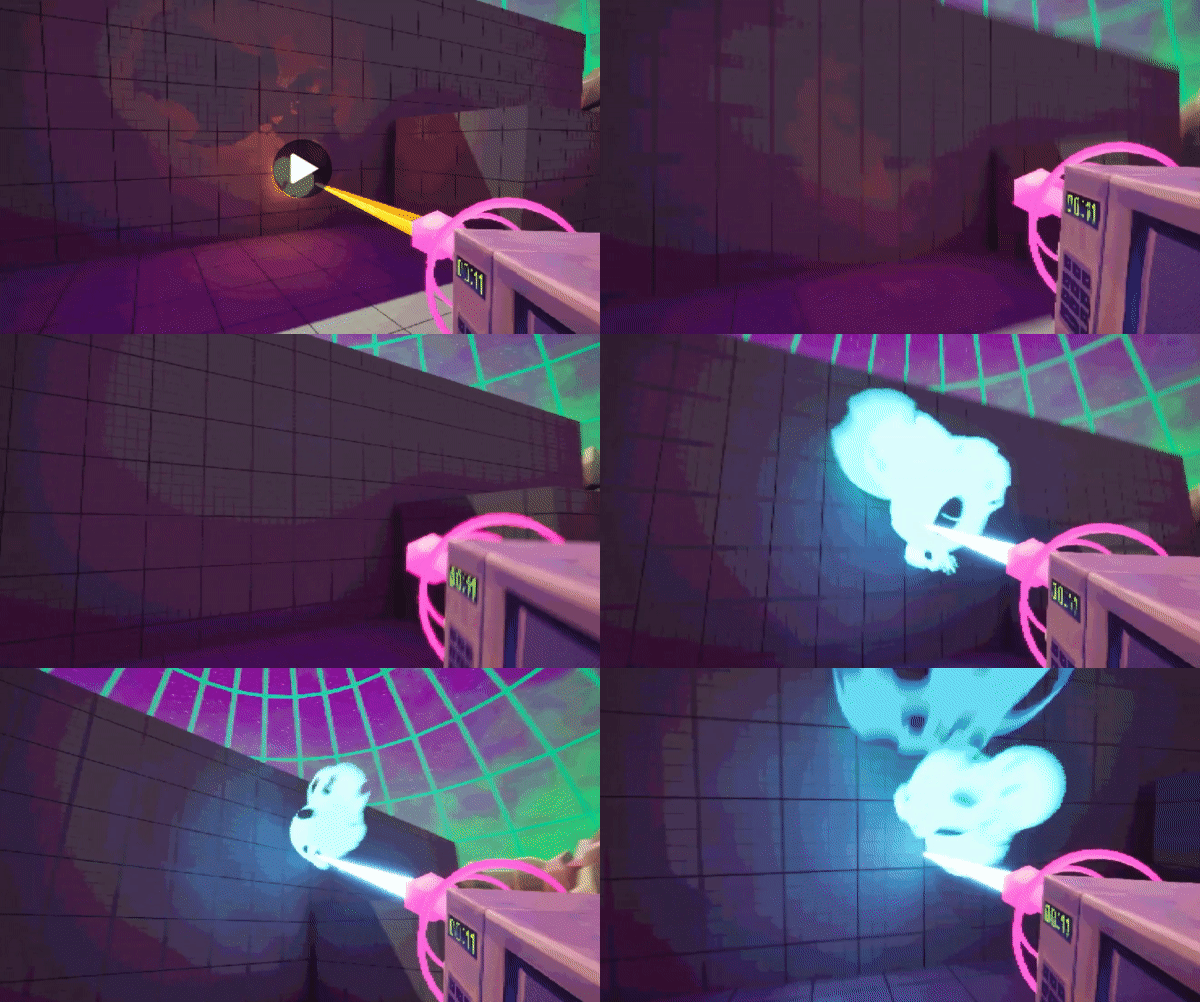
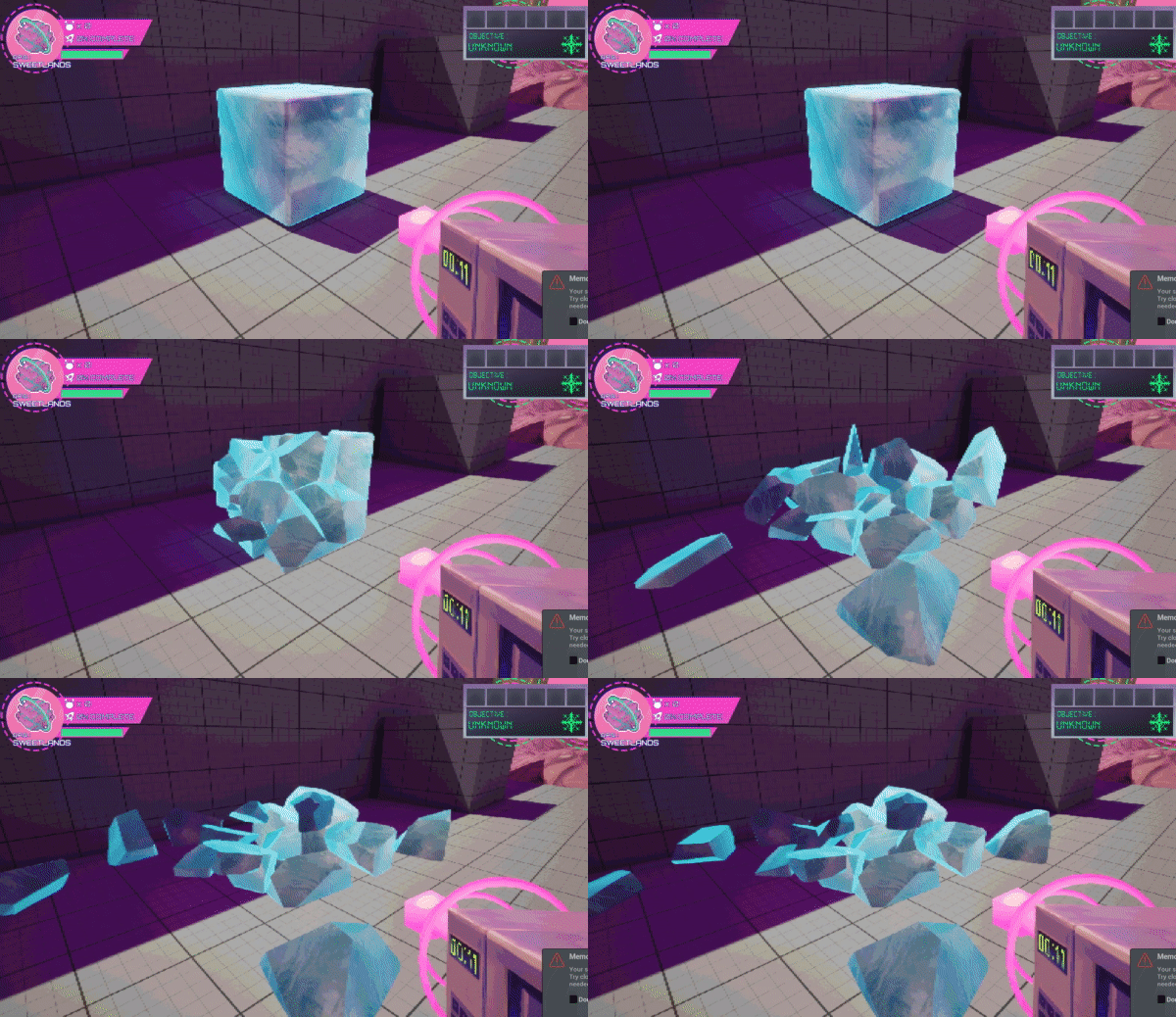
For game feel, I worked with a lot of animation, particles and material affects, as I wanted the "gunplay" and navigation to feel satisfying.
For example, the gun has several particle effects when firing. It also has a slight reload/overheat time & animation to give the feeling of operating a microwave-like gun.
Ice blocks will also crack using chaos physics after a few seconds.
I used an opening cutscene and dialogue system to set the tone and give instructions at the start of the game. The dialogue system is only used once, but it is set up so that it can be reused.
The dialogue portrait art was done by Jo Chen.

ART
For art direction, I was greatly inspired by the colorful and stylized 2000s games of my childhood that would often have the creature-raising mini games that inspired this entire idea.
This was the reason for the more low-poly style and post-processing effects used in the game. It also allowed for quicker, more simple models.
Texturing could also be a bit more painterly, with the post-processing doing all the pixel effects.
For some models, simple gradients were used as textures.
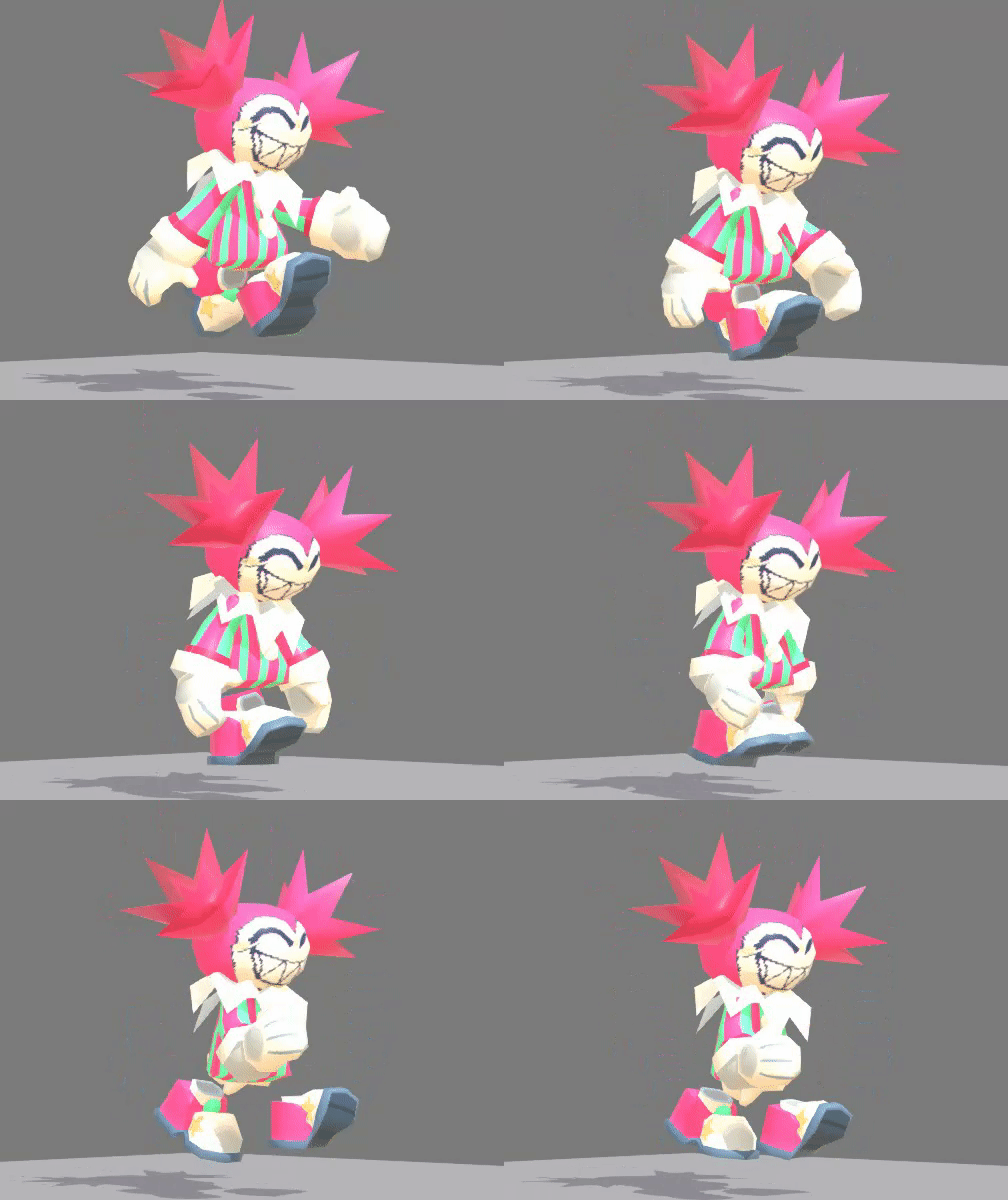
The animations were especially fun to do, as the designs of the characters allowed for simple but flexible rigs.




bottom of page